What Are Hydrosols? A Simple Guide for Makers
If you have ever made a toner, a face mist or a lotion, you have probably used plain water. A hydrosol is a simple way to give that water a gentle scent and a little more character, without changing how you make your product.
What Is a Hydrosol?
Hydrosols come from the steam distillation of plants, the same process used to make essential oils. When the steam cools, the essential oil separates from the water. That water, with a small amount of essential oil still in it, is the hydrosol.

Because it is mostly water, a hydrosol is much softer than an essential oil. The scent is lighter than the essential oil, and it can smell a little different – often softer and more green or herbal.
How Makers Use Hydrosols
You can use a hydrosol in place of water in most water-based formulations. Popular uses include:
- Face toners
- Cooling sprays and mists
- Lotion bases
- Conditioners
- Hair sprays (our favourite)
- Diffusers and burners
You can replace all of the water in your recipe with hydrosol, or only part of it for a softer scent. For example, if a 100 g lotion recipe uses 70 g water, you could use 20 g hydrosol and 50 g water.
Our Hydrosols
Most of our hydrosols start from R30 for 50 ml, up to bulk sizes.
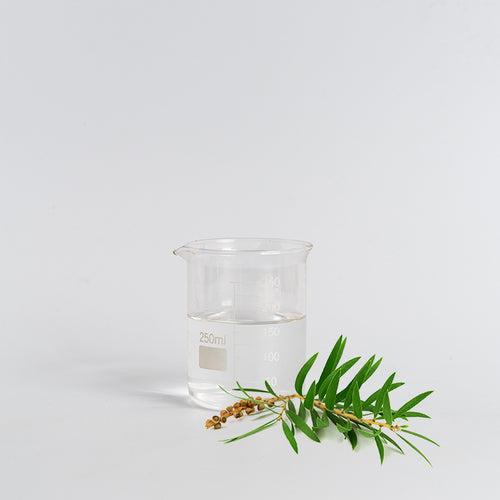
- Tea Tree Hydrosol – fresh and herbal, with a light medicinal note. Popular in toners, scalp sprays and foot sprays.
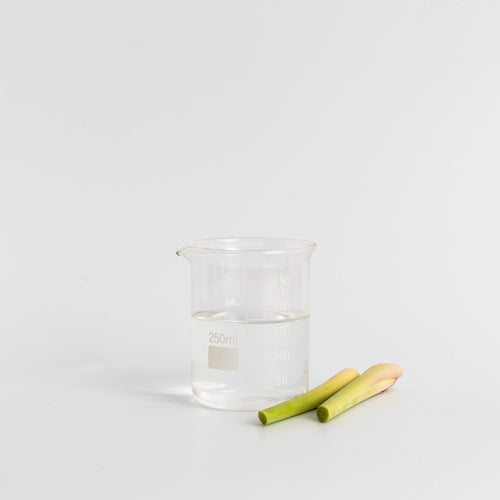
- Lemongrass Hydrosol – fresh, lemony and grassy. Great in body mists, room and linen sprays, and foot sprays.
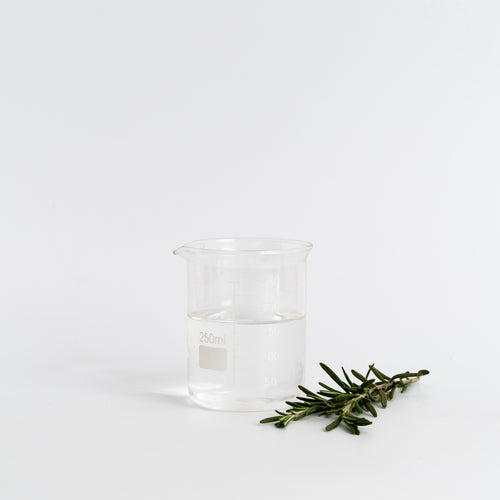
- Rosemary Verbenone Hydrosol (Organic) – herbal and green. A favourite in hair sprays, scalp mists and toners.
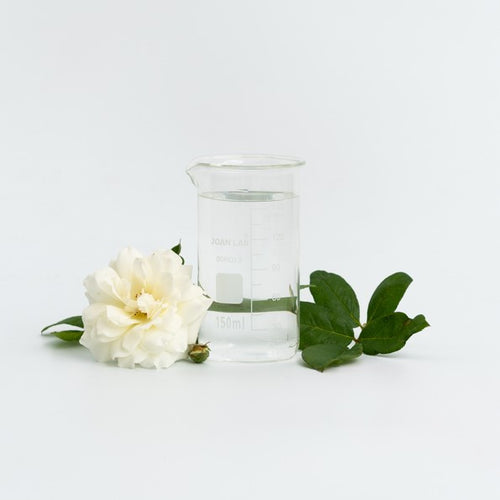
- Rose Water – sweetly scented, and both food and cosmetic grade.
- Lemon Verbena Hydrosol – soft, sweet lemon. Lovely in face mists, toners and body sprays.
- Rose Geranium Hydrosol (back soon) – floral and rosy, with a green edge. Works well in face toners, mists and lotions.
- Frankincense Hydrosol – warm, soft and resinous. Suits face mists, toners and creams.
- Myrrh Hydrosol – warm and earthy. Pairs well with Frankincense in toners and lotions.
- Witch Hazel Distillate (back soon) – alcohol free, and commonly used as a toner for oily and combination skin. This one already contains a preservative.


Keeping Your Hydrosol Fresh
Our hydrosols (except Witch Hazel) do not contain preservatives. That keeps them pure, but it also means they need a little care:
- Add a preservative. We highly recommend adding an appropriate preservative to your final product. For water-based products, Euxyl PE9010 is a broad-spectrum option at 0.5–1% of your recipe (0.5–1 g in 100 g). For natural-certified products, Euxyl K712 works at 0.5–1.5% when the pH is 5.5 or lower.
- Keep it cool. Store your hydrosol in the fridge if you can.
- Use it up. Once opened, don't keep it for too long, as contamination can occur. Check the expiry date on the label, keep the lid closed, and use a clean spoon or pipette.
Try It: Two Hydrosol Face Mists
Here are two easy face mists to try. Each recipe makes 100 g.
Simple Hydrosol Face Mist
- 94 g hydrosol of your choice (we like Rose Water or Lemon Verbena Hydrosol)
- 5 g Vegetable Glycerine
- 1 g Euxyl PE9010
Method
- Clean and sanitise a beaker and a spray bottle.
- Weigh all three ingredients into the beaker and stir well.
- Pour into the spray bottle and label it with the date.
- Shake before use, and mist over your face or body.
Ultra Hydrating Face Mist
A lovely hydrating facial mist that can be incorporated into your daily skincare routine as a toner, or used throughout the day to refresh and hydrate your skin.
Formula (makes 100 g)
- 54.5 g hydrosol of your choice
- 20 g Aloe Vera Gel
- 20 g Hyaluronic Acid (1% Solution)
- 5 g Vegetable Glycerine
- 0.5 g preservative (for example Euxyl PE9010)
Why these ingredients?
- Hydrosol: Forms the base of the mist, offering gentle botanical benefits depending on the hydrosol chosen.
- Hyaluronic Acid: A powerful humectant that helps attract and retain moisture, leaving skin feeling hydrated and plump.
- Aloe Vera Gel: Soothes, hydrates and helps soften the skin.
- Vegetable Glycerine: Draws moisture to the skin and helps maintain hydration.
- Preservative: Helps protect the water-based formulation against microbial contamination.
Method
- Clean and sanitise a beaker and a spray bottle.
- Weigh all the ingredients into the beaker and stir until fully mixed.
- Pour into a 100 ml amber spray bottle and label it with the date.
- Shake before use.
How to use
After cleansing, mist lightly over the face as a hydrating toner before applying your serum or moisturiser. It can also be used throughout the day whenever your skin needs a little extra hydration.

Do a small patch test before you use a new product on your face.
Find Your Hydrosol
Whether you are making your first toner or stocking up for your next batch, our hydrosols are a gentle, easy place to start.
Happy making!

Author: Zikhona Tefu
Zikhona wears many hats, but the one she proudly puts on every day is that of a skincare formulator. A self-taught artisan, she has been creating natural skincare products since 2011 and is the founder of Isivuno Naturals & O’live Handmade Soaps. When she’s not running her businesses, you’ll find her deep in research and development, experimenting with oils, butters, and other raw ingredients to craft new formulations.
Beyond skincare, Zikhona is a passionate collector of rare plants and finds joy in both her indoor and outdoor garden. She also loves spending time in the kitchen, creating delicious meals and baked treats. Whether she’s formulating, gardening, or cooking, creativity is at the heart of everything she does.
In this article